Crackseal, sealcoat, and striping was perfect. Great communication, completed to the T of the specifics.
Jacob D.
Property manager · Google
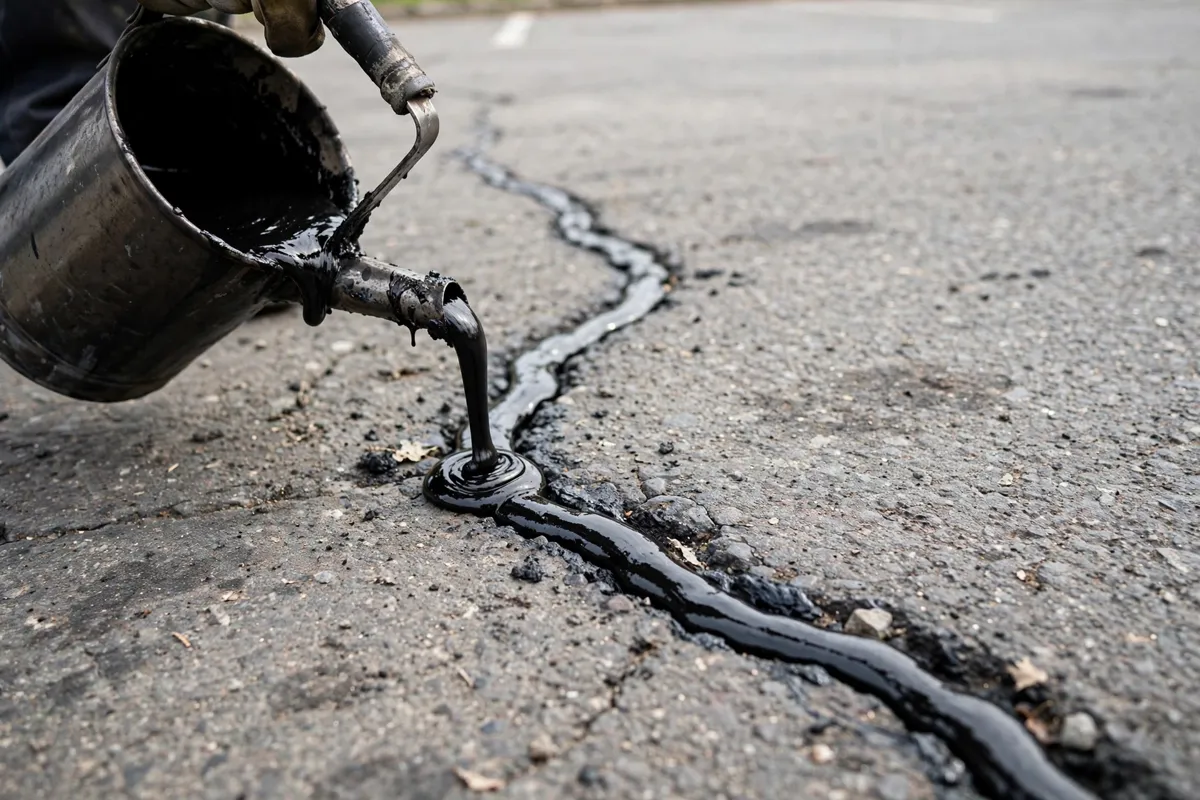
Crack filling is the highest-value preventive work on most parking lots. Atlas seals cracks with hot rubberized sealant that bonds to the crack walls and flexes with temperature, keeping water out of the pavement before freeze-thaw cycles turn small cracks into potholes.
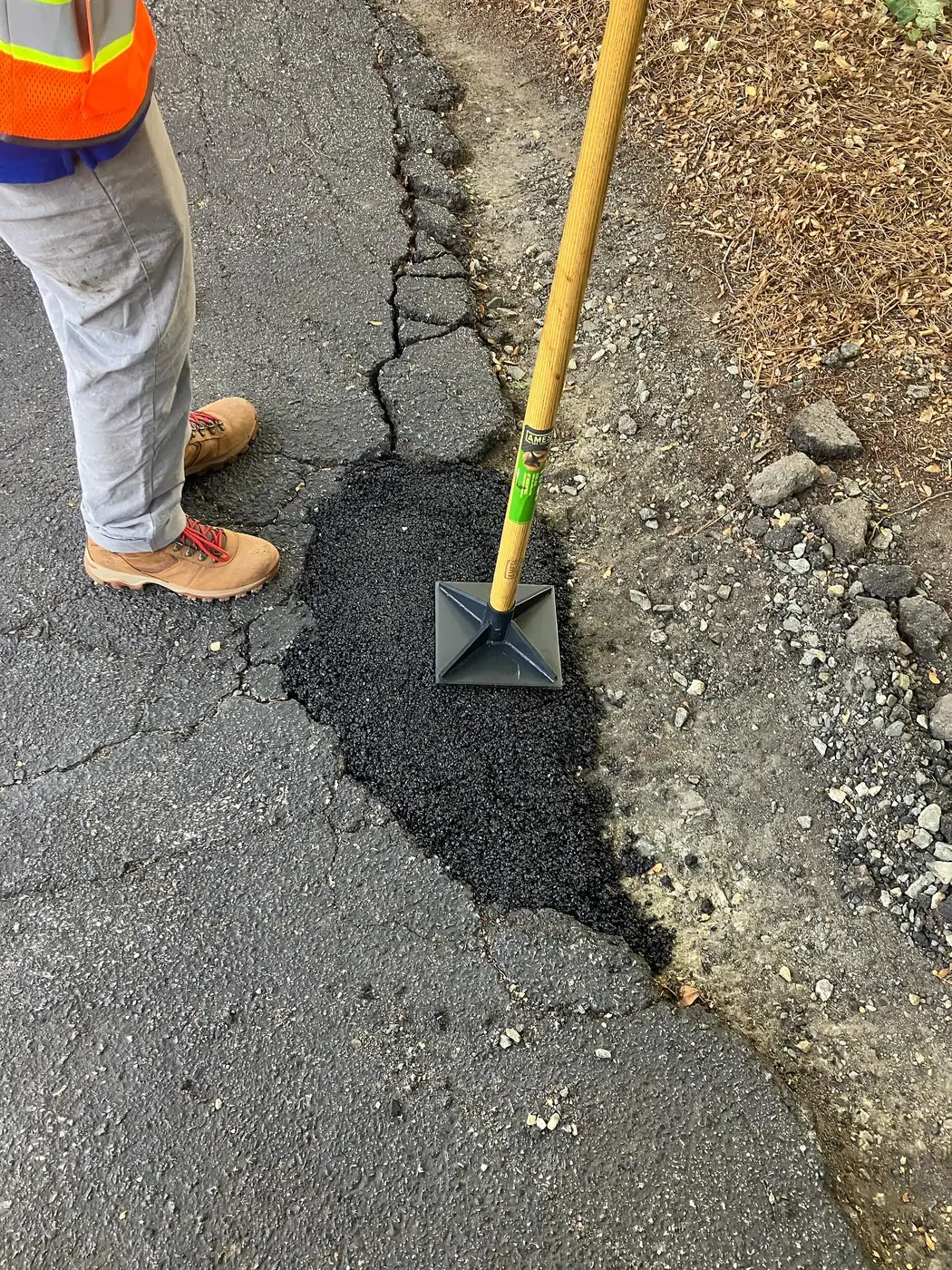
WHY FILL CRACKS
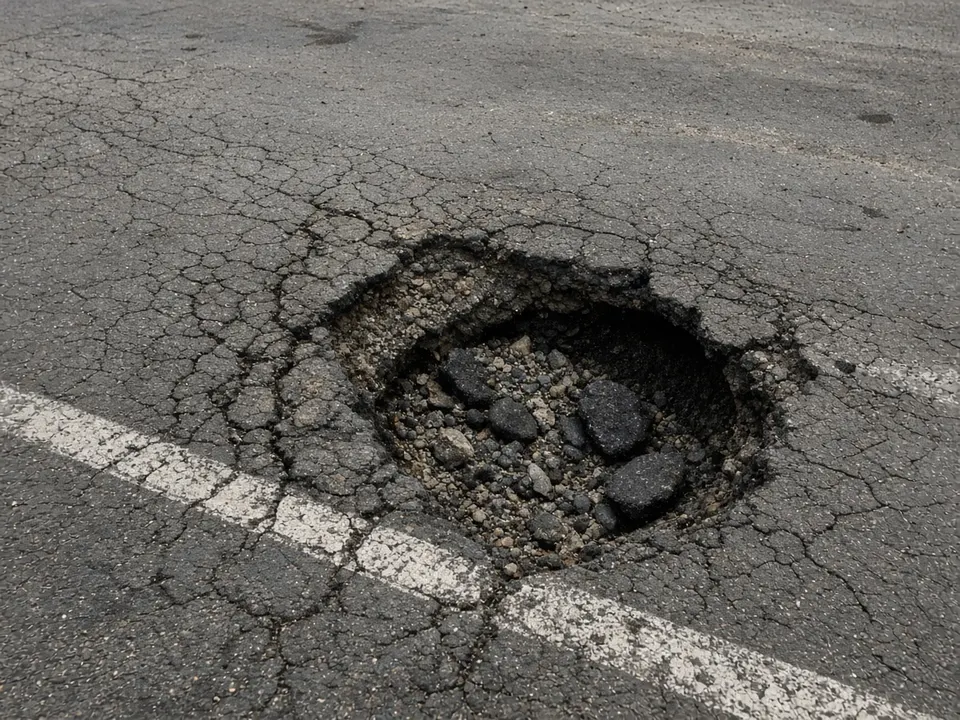
Step through what happens if a crack is left open, and where filling stops it.
Sun and oil dry out the surface and traffic flexes it until it splits. The base underneath is still dry and strong. This is the cheapest moment to fill.
Rain runs into the open crack and soaks the base. A wet base loses strength, so the surface starts to flex and crack further.
Water in the crack freezes, expands and breaks the asphalt from within. One freeze-thaw cycle can turn a hairline crack into a network of damage.
Traffic breaks the weakened spot loose. Left alone, a small pothole can double in size every season, and filling is no longer enough on its own.
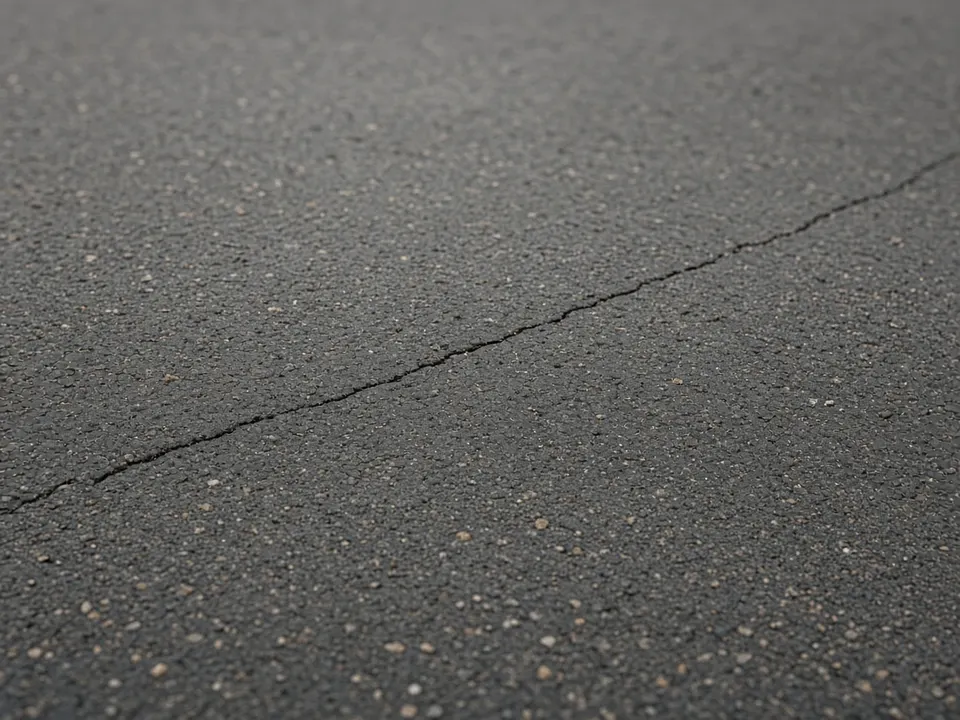
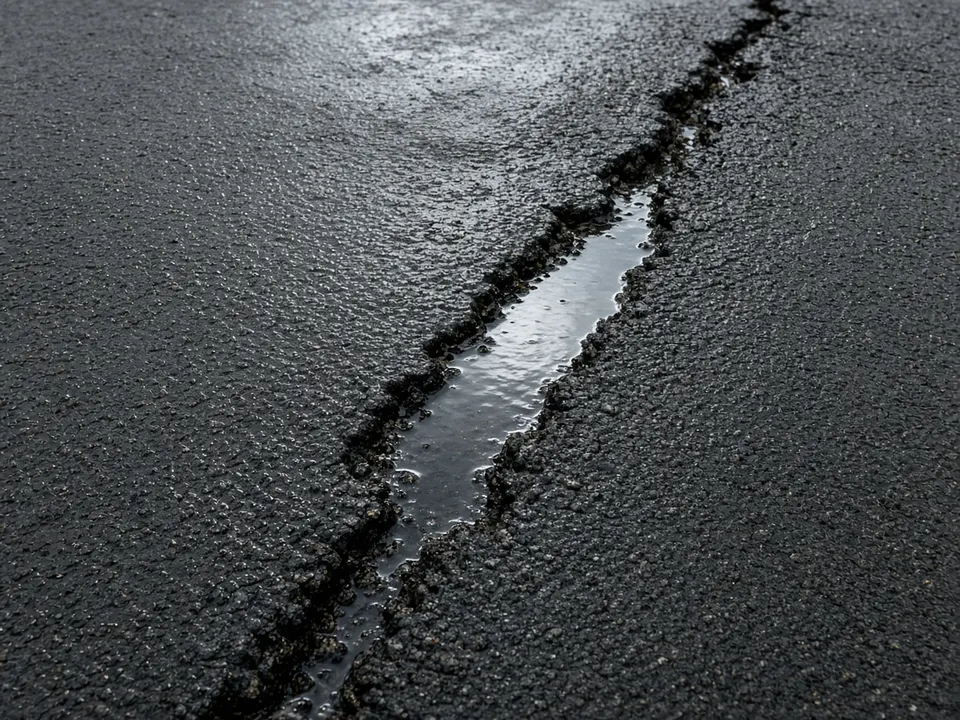
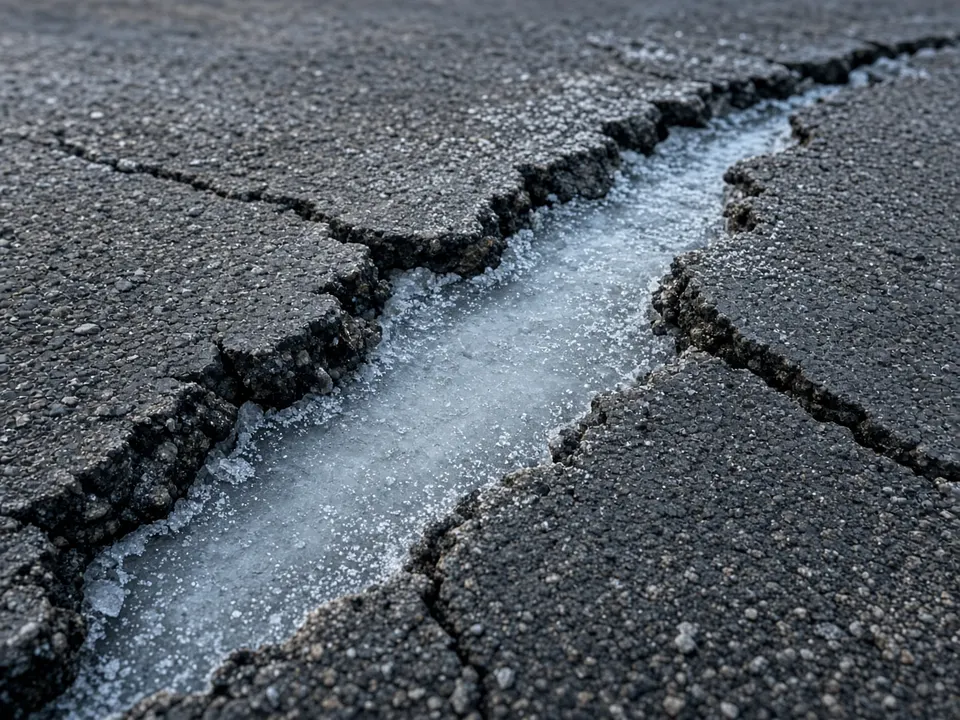
THE METHOD
Clean the crack. Dirt, vegetation and loose material come out first, so the sealant bonds to sound asphalt.
Fill with hot rubberized sealant. It bonds to the crack walls and flexes with temperature changes instead of cracking again, creating a waterproof barrier.
Seal later, if planned. When sealcoating is next, cracks are filled first. Sealer over open cracks does not bond. See our sealcoating page for timing.
WHAT YOUR CRACKS NEED
A quick guide to what we will usually recommend after the walk.
| What you see | Usually needs | Why |
|---|---|---|
| Isolated cracks, sound surface | Crack filling | Cheapest point to stop water |
| Many cracks, some wide | Crack filling, then sealcoat | Seal the openings, then protect the surface |
| A few potholes | Patching plus crack filling | Repair the holes, stop new ones |
| Connected alligator cracking, standing water | A repaving conversation | The base is usually failing; filling will not hold |
General guidance. We confirm on the walk. More on this in our repair or repave guide.
REVIEWS
Crackseal, sealcoat, and striping was perfect. Great communication, completed to the T of the specifics.
ABOUT THIS PAGE
Atlas is a locally owned Greensboro crew. Crack filling is the work we recommend most often, because it is the cheapest point to stop damage.
Written and reviewed by the Atlas Parking Lot Solutions team
Greensboro, NC · Last reviewed
It seals openings before water reaches the pavement structure. Water that gets in freezes during Triad cold snaps, expands and breaks the asphalt from within. Filling the crack stops that cycle before it starts.
Hot rubberized sealant. It bonds to the crack walls and flexes with temperature changes instead of cracking again.
Per linear foot, depending on crack width and depth. We measure on the free on-site walk and give you a written, itemized estimate within 24–48 hours.
Inspect and fill annually, ideally in spring before summer heat opens cracks further.
Yes. The correct order is clean, crack fill, then seal. Sealer applied over open cracks or dirt does not bond.
When cracks connect into an alligator pattern, potholes keep coming back, or water stands on the surface. Those usually mean the base is failing. We will tell you honestly if the lot needs more than crack filling.
No matching questions. Call (336) 662-3312 and we will answer it.
Free on-site walk. We measure the cracks and send a written, per-foot estimate.